
What Is a Comp Card — And Why Every Phoenix Model Needs One
If you’re serious about modeling in the Phoenix area — whether you’re submitting to a local agency, attending castings, or building your portfolio from scratch — one of the first things you’ll need is a comp card.
It’s the tool agencies ask for. It’s what casting directors look at before they ever call you in. And getting it right from the start can make a real difference in how far your modeling career goes.
Here’s everything you need to know about comp cards, what Phoenix agencies expect to see, and how to prepare for your session.
What Is a Comp Card?
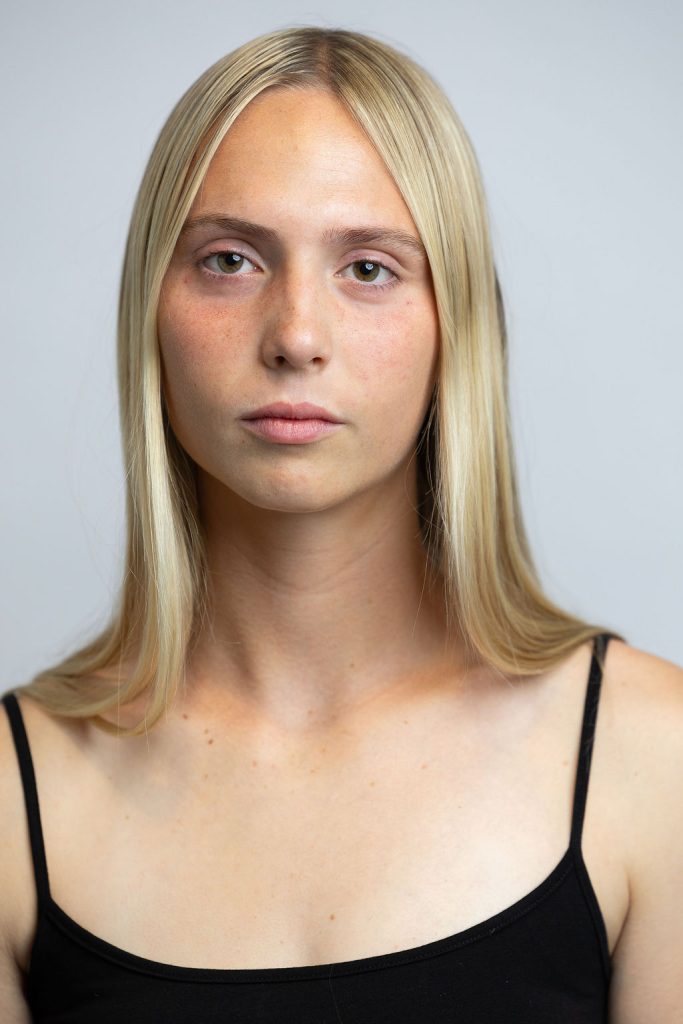
A comp card — short for composite card, also called a zed card — is a model’s calling card. Think of it as a business card crossed with a mini portfolio.
A standard comp card is printed at roughly 5×7 inches and is two-sided. The front features your best headshot. The back shows a mix of three to four additional photos — full body, profile, three-quarter — along with your name, contact information, and measurements (height, weight, bust/waist/hips, hair and eye color, and dress/shoe size).
Agencies use comp cards at castings so clients can quickly flip through a stack of talent and remember who they saw. Even in 2025, when so much is submitted digitally, most agencies still want a physical comp card — and they expect you to bring one to every go-see.
What Are Modeling Digitals?
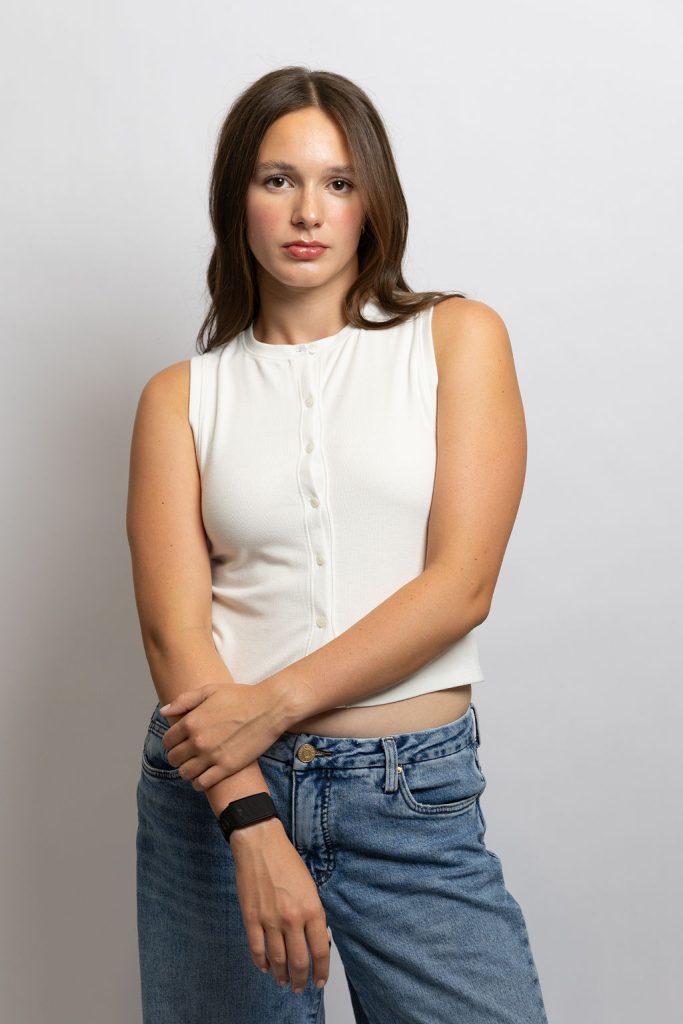
Before you have a full portfolio, agencies often ask for digitals (sometimes called polaroids). These are simple, clean photos — no heavy styling, minimal editing, plain background — that show what you actually look like right now.
Digitals are honest. They’re designed to remove the guesswork for agents and casting directors. No dramatic retouching, no elaborate wardrobe. Just you, good light, and the five standard poses.
For many aspiring models in Phoenix, digitals are the comp card — especially when you’re just starting out. As your portfolio grows, you replace the digitals with editorial or commercial shots that show your range.
The Five Poses Every Agency Wants to See
This is where a lot of new models get misled. A comp card session isn’t about changing outfits five times or creating five different looks. It’s about capturing five specific angles that together give agents a complete picture of your physique and proportions.
The five standard poses are:
- Headshot Clean, straight-on shot from the shoulders up. Natural expression. Hair away from the face. This is the hero image — it goes on the front of your comp card.
- Three-Quarter (Waist Up) Shot from the waist or mid-thigh up. Shows your upper body, posture, and face together. Slightly angled works well here.
- Full-Body Front Your entire body, straight on. Posture, proportions, and presence all visible. This is non-negotiable — agencies need to see your full frame.
- Full-Body Side Profile A clean profile view, typically from the right or left. This shot shows silhouette and body shape in a way a straight-on image simply can’t.
- Full-Body Back Facing away from the camera, looking back over the shoulder or straight ahead. Shows your posture, back, and overall shape from behind.
All five poses are shot in the same outfit — which is intentional. The goal is to see you, not your wardrobe.
What to Wear for Your Comp Card Session
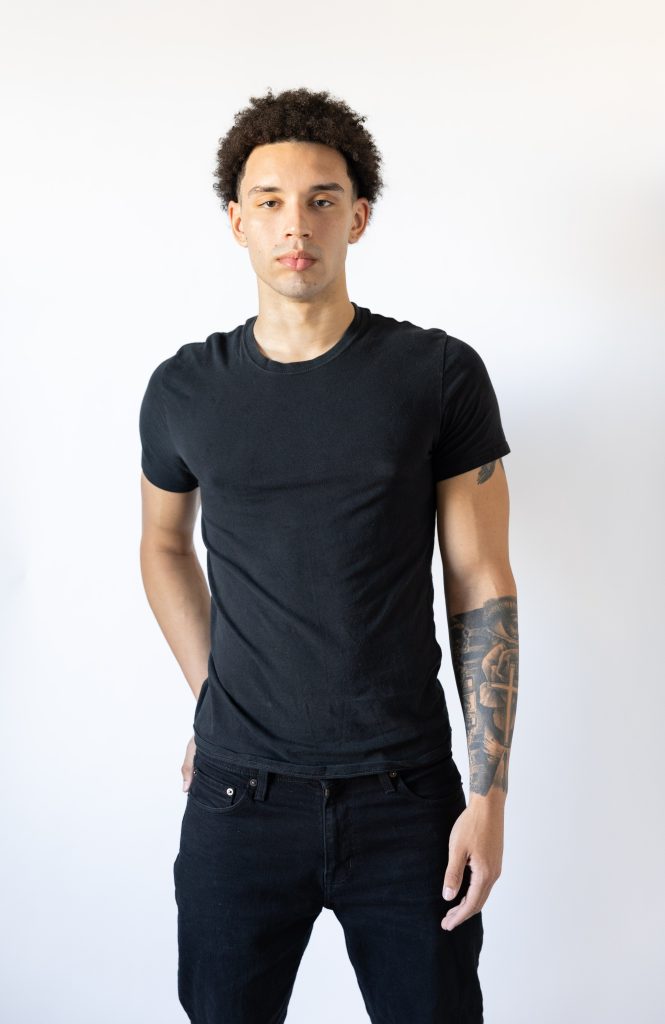
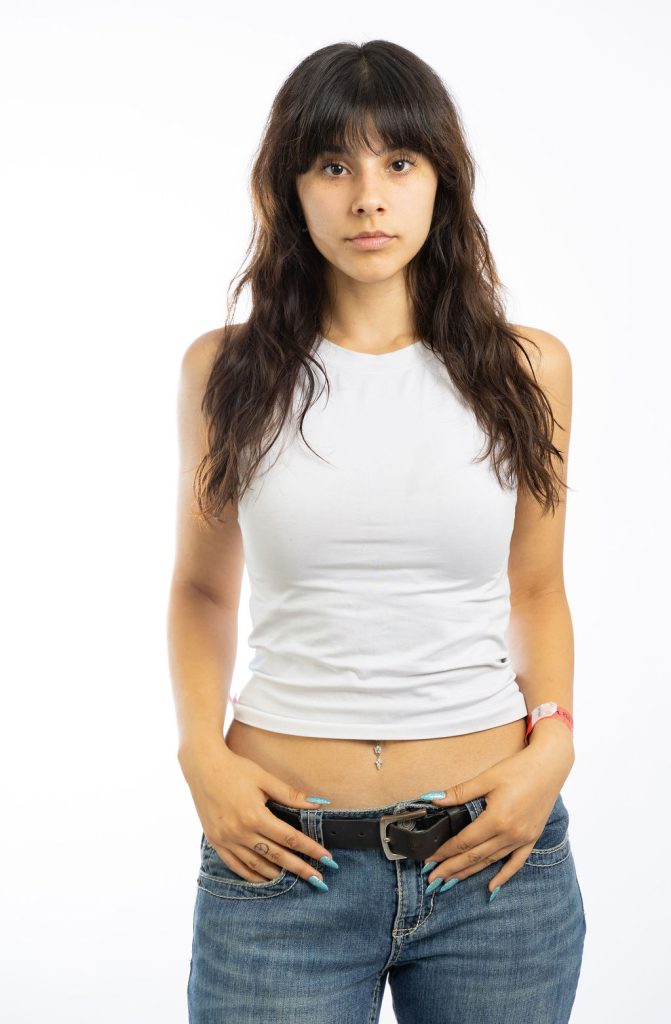
The industry standard is simple: form-fitting clothes in neutral colors.
For most models, that means:
- A plain white or black fitted t-shirt (no logos, no graphics, no busy patterns)
- Well-fitting jeans — straight or slim cut, dark wash or medium wash
- For women: heels around 3 inches are standard. They help elongate the leg line and show how you carry yourself in heels, which matters to agencies
The reason for the simple wardrobe is straightforward. The clothing is meant to showcase your body’s natural proportions without any distraction. Agencies and casting clients need to evaluate your physique, not your outfit.
Avoid loose clothing, oversized tops, or anything that obscures your shape. The same applies to accessories. Keep them minimal or skip them entirely.
Hair and Makeup for Digitals
Less is more. Agencies want to see your natural features, skin texture, and bone structure — not a styled look.
For women: light, natural makeup. Clean skin, groomed brows, minimal color. Think “enhanced natural” rather than a full glam look.
For men: groomed, clean, no product in the hair unless it’s a natural part of your everyday look.
Hair should be neat and away from your face for at least the headshot. Agents need to see your face clearly.
How Often Should You Update Your Comp Card?
Most agencies recommend updating your digitals every two to three months, and definitely after any significant change in your appearance — a new haircut, color change, weight change, or if you’ve turned 18. Your card should always reflect what you look like right now.
An outdated comp card is worse than no comp card. If a client books you based on a photo that no longer looks like you, it damages your relationship with the agency.
Modeling Agencies in Phoenix That Will Ask for Your Comp Card
If you’re submitting to Phoenix-area agencies, plan to have your comp card ready before you reach out. Local agencies actively scouting talent in the Valley include:
- Wilhelmina Models Phoenix — one of the most recognized names in the market
- The Young Agency — full-service talent agency based in Phoenix
- CM Models — talent and model management serving the Arizona market
- Phoenix Fashion Week — a key runway showcase for local models and designers
Each agency has slightly different submission requirements, but the expectation of professional, clean digitals is universal.
Book Your Comp Card Session in Phoenix
If you’re ready to take your modeling seriously and get in front of Phoenix agencies with a professional comp card, let’s make it happen.